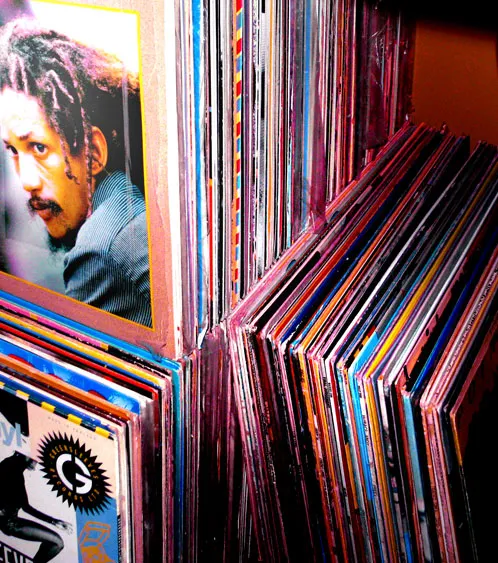
Why the Encore Always Feels Inevitable: Inside the Hidden Science of the Perfect Setlist
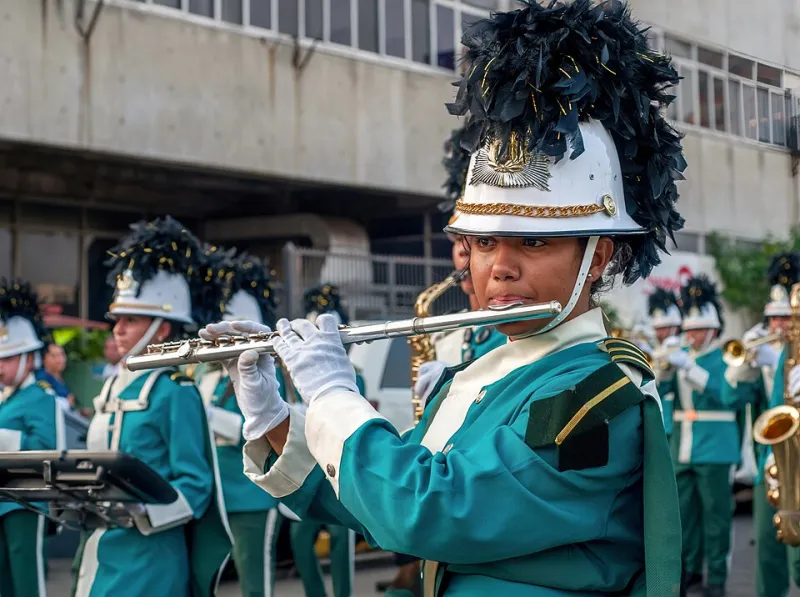
Photo: Wilfredor, CC0, via Wikimedia Commons
You've felt it before, even if you couldn't name it. The show builds and dips at exactly the right moments. The ballad lands when you needed a breather. The hits arrive spaced out like a chef pacing courses. And the encore — you saw it coming from a mile away, and somehow it still felt like a gift.
That's not luck. That's architecture.
Setlist building is one of the least-discussed crafts in live music, and once you see how it works, you can't unsee it. So let's open the hood.
The Energy Curve Is Everything
Every well-built set follows a shape. Not a straight line — a curve, with deliberate peaks and valleys. The general blueprint looks something like this:
- The Opener: A statement, not a smash. Something that announces the night's identity and gives the crowd a collective gasp or a singalong within the first thirty seconds. You rarely open with the biggest hit — you have somewhere to go.
- The Ramp: Songs two through four build momentum. This is where the band locks in and the crowd stops checking their phones.
- The First Valley: A deliberate cooldown, usually around the 25- to 35-minute mark. Ballad territory. This is where the emotional depth lives, and where the person next to you who came to party gets converted into a real fan.
- The Second Peak: The mid-show surge, often where deep cuts and fan favorites live — the material that rewards the diehards.
- The Sandbox: Every artist has one — the stretch of the show where anything can happen. A cover, a mashup, a request from the crowd, a full reinvention of an old song. It keeps the band honest and the fans guessing.
- The Finale Run: The hits, in sequence, designed to end on the highest possible note.
Notice what's missing: the hits back to back. Great setlists ration them. Fire off your three biggest songs in the first twenty minutes and the last hour becomes filler. Space them out and each one becomes an event.
The Encore Theater
Let's address the elephant in the arena: the encore is a performance in both senses of the word. The band leaves. The crowd chants. The band returns. Everyone involved knows this ritual is coming, and everyone agrees to pretend they don't.
Why keep the theater? Because anticipation is a drug, and the pause before the encore lets it peak. Psychologically, an ending that includes a brief false ending makes the real ending hit harder. The encore songs are also chosen with intent — usually the emotional gut-punch or the all-out celebration, held back precisely so the night ends on the highest possible frequency.
The Fans Tracking It Like Box Scores
Here's where it gets fun: there are entire communities — setlist archive sites, Reddit threads, Discord servers — that document every setlist of every tour like sports statisticians. They track rotation patterns, surprise song frequencies, which cities get the deep cuts, and whether the artist is "due" for a rarity.
Fans on a tour run will compare notes night to night. Did they swap the closer? Is the sandbox song rotating by city? There's a whole gamified layer on top of live music now, and for a certain kind of fan, guessing the setlist is half the fun of going.
Artists know this. Some lean into it, deliberately rotating songs to keep the tour chatter alive. Others stick to a locked show — every night identical, every moment rehearsed to the second. Both are choices, and both produce different kinds of experiences.
The Rules You Can Feel But Never See
A few unwritten laws of setlist craft, gathered from the people who build them:
- Never open with the single. You're spending your biggest card too early.
- Don't cluster tempos. Three mid-tempo songs in a row is a nap with the lights on.
- The key change is a weapon. Modulating up a step in the final chorus is cheap tricks' greatest trick — and it works every single time.
- Save one for the ride home. The last song should be the one they hum in the parking lot.
- Read the room. The best setlists are written before the show and rewritten during it.
Why It Matters to You
The next time you're at a show and the flow feels right — the dips, the peaks, the encore that lands like a prophecy fulfilled — take a second to appreciate that someone designed that feeling. Or the artist did, through years of instinct and a hundred nights of trial and error.
The perfect setlist is invisible choreography. You're not supposed to notice the seams. But knowing they're there makes the magic better, not worse — the same way knowing the plot of a great movie doesn't ruin the ending.
Now go guess the encore. You've got a fifty percent shot, and honestly, that's part of the fun.