Why Gen Z Is Ditching the Algorithm and Building Their Own Music Worlds

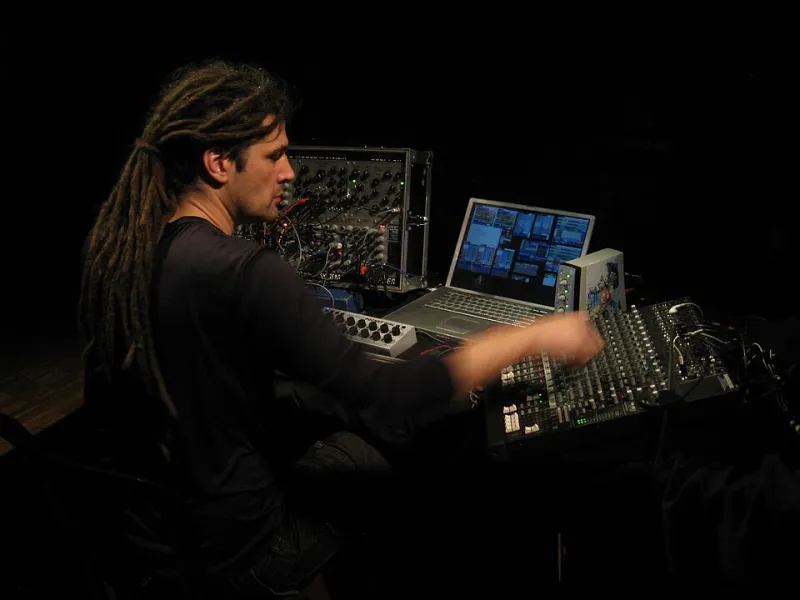
Photo by Photo by Marianne Lariviere on Unsplash on Unsplash
There's a quiet rebellion happening in the way people discover music, and it doesn't look like anything the major streaming platforms saw coming. Forget the curated playlist that magically appears on your home screen every Monday morning. A growing wave of listeners — especially those in their late teens and twenties — are actively seeking out something the algorithm fundamentally cannot offer: the feeling that a song was meant for them, discovered in a space that not everyone gets to enter.
Call it the new music gatekeeping. But this time, it doesn't feel exclusionary. It feels like home.
The Algorithm Problem Nobody's Talking About
Streaming algorithms are genuinely impressive pieces of technology. They can predict your next favorite artist with unsettling accuracy, surface deep cuts from genres you barely knew existed, and keep you locked into a listening session for hours. So why does it increasingly feel hollow?
The answer has a lot to do with context. When a song is handed to you by a machine, stripped of story and setting, it arrives without weight. You didn't find it — it found you, the same way it found thirty million other people with similar taste profiles. There's no narrative there. No moment you can point to and say, that's how it started.
Gen Z, a generation that grew up inside algorithmic feeds and has developed a finely-tuned sensitivity to what's manufactured versus what's real, has started noticing the difference. And they're doing something about it.
Curated Spaces Are Having a Moment
Across the country, something genuinely interesting is emerging in the form of intentional music environments. Pop-up listening rooms — sometimes hosted in gallery spaces, sometimes in someone's living room in Brooklyn or Silver Lake — are drawing crowds willing to RSVP weeks in advance just to sit in a room and listen. Not dance. Not network. Just absorb music the way it was originally meant to be experienced.
These aren't concerts. They're closer to ceremonies.
The format varies wildly. Some listening events are structured around a single album played front to back, lights dimmed, phones face-down. Others rotate through a host's personal vinyl collection with commentary between tracks — part music education, part communal ritual. What they all share is intentionality. Someone made choices. Someone cared enough to build a specific experience rather than shuffle a playlist and let the chips fall.
That intentionality is the whole point. It's what creates the psychological pull.
The Psychology of the Gatekept Space
There's real science behind why exclusive, curated environments hit differently. When access feels limited — when you had to know about the event, get on a list, show up at the right time — your brain assigns greater value to the experience before it even begins. Psychologists call this effort justification. The harder something is to access, the more meaningful it tends to feel once you're inside it.
But this isn't just about manufactured scarcity for the sake of hype. The best curated music spaces earn their reputation by actually delivering something you can't get from a streaming app. Human context. Shared energy. The knowledge that everyone in the room chose to be there specifically, not because an algorithm nudged them toward it.
For artists and independent creators, this is a massive opportunity.
Discord, Substack, and the Rise of the Inner Circle
The same psychology playing out in physical listening rooms is showing up online, too. Artist-hosted Discord servers have evolved well beyond simple fan chat. The most thoughtful ones function as curated sonic universes — spaces where an artist shares unreleased demos, hosts listening parties for new projects, and builds genuine conversation around music rather than just promotion.
These communities operate on a different social contract than a standard follow on Instagram. Getting into a private Discord, earning a role that unlocks deeper channels, being one of the people who heard a song before it dropped — that's a form of belonging that a public-facing social media profile simply can't replicate.
Some artists are even taking it further with Substack newsletters that double as listening guides, recommending sounds that influenced their latest work and walking subscribers through their creative process track by track. The parasocial relationship is still there, but it's been replaced by something with more texture. More intention.
Independent Venues Are Quietly Winning
While the conversation around music discovery tends to center on tech platforms and social media, independent venues across the US are capitalizing on this exact shift in ways that don't get nearly enough credit.
Small rooms — the 200-capacity spots in cities like Chicago, Austin, Nashville, and Philadelphia — have always been where real music culture lives. But a new generation of venue operators and promoters is leaning hard into the curation angle, building programming identities that feel more like editorial voices than traditional booking calendars.
Instead of simply booking whoever is touring through town, these spaces are constructing entire evenings around a theme, a sound, a feeling. The show itself becomes a statement. Regulars start to develop a relationship not just with the bands they see, but with the venue's taste — trusting that if this room put a bill together, it's worth showing up for.
That trust is brand equity. And it's being built one carefully chosen show at a time.
What This Means for How Music Spreads
Here's the thing about curated discovery: it's actually better for music in the long run. When someone finds a song through a genuine human recommendation — in a listening room, through a Discord deep dive, via an artist's personal playlist shared with their inner circle — that listener tends to hold onto it differently. They tell people about it. They bring it into their own spaces and share the context along with the sound.
Music that spreads this way builds slower, but it builds stickier. The fan who found you in a 150-seat room in Los Angeles is a different kind of advocate than the one who added you to a playlist because Spotify suggested it.
The algorithm is still out here doing its thing, and it'll keep doing it. But the spaces growing up around intentional discovery — physical, digital, intimate, exclusive — are filling a gap that no recommendation engine has ever really managed to close.
And honestly? That gap is exactly where the most interesting music lives.
Paradisia Official is your home for music, culture, and the moments that actually matter. Keep exploring.