Forget the Algorithm: How Niche Music Scenes Are Building Empires on Their Own Terms
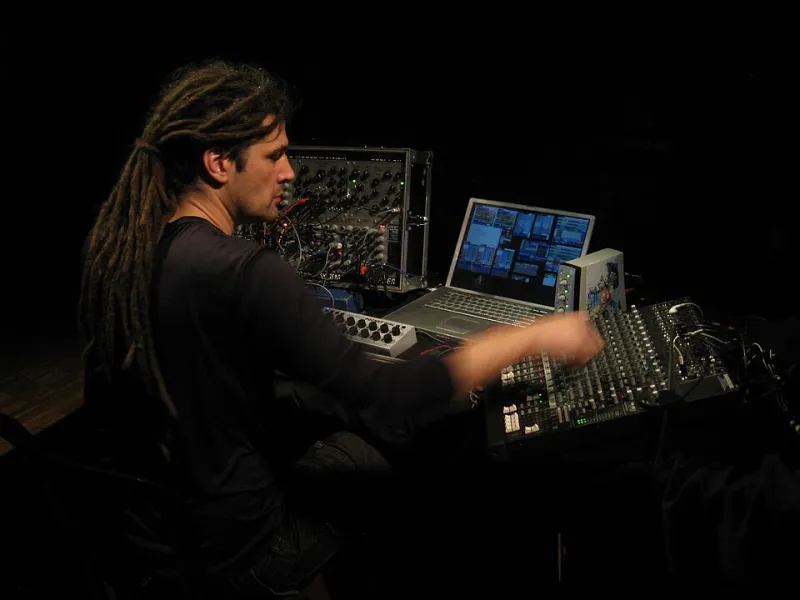
Photo: jim from Lausanne, Switzerland, CC BY-SA 2.0, via Wikimedia Commons
There's a version of music success that looks like this: a perfectly timed release, a Spotify editorial pitch, a TikTok hook engineered to hit the For You page in the first three seconds. Millions of streams, a brief chart moment, and then — silence. The algorithm moves on, and so does everyone else.
Then there's the other version. A Discord server with 4,000 members who know every lyric. A Bandcamp page that sells out limited vinyl runs in under an hour. A live show in a 300-cap venue where every single person in the room feels like they belong to something. No playlist placement required.
That second version? It's not the consolation prize. Increasingly, it's the blueprint.
The Algorithm Was Never Built for You
Let's be honest about what streaming algorithms actually optimize for. They're designed to keep listeners on the platform as long as possible, which means they tend to reward familiarity, predictability, and broad appeal. A hyperpop track built on glitchy, distorted 808s and ironic emotional whiplash is not what Spotify's Discover Weekly was designed to surface to the average listener.
And yet hyperpop — that chaotic, internet-native genre that emerged from the fringes of SoundCloud and Tumblr — has produced some of the most culturally resonant music of the past decade. Artists like 100 gecs built cult followings that mainstream pop stars would envy, not by gaming the algorithm but by feeding a community that was hungry for exactly what they were making.
The same story plays out across genres. UK garage, which never really disappeared from the underground, is experiencing a full-blown revival in cities like Chicago and Atlanta, where producers are blending the classic two-step rhythm with American influences and distributing their work almost entirely through SoundCloud drops and WhatsApp group chats. No label. No PR firm. No algorithmic strategy. Just sound and community.
Micro-Economies Are the New Record Deals
Here's what's actually wild about niche scenes: they're not just culturally thriving — they're economically sustainable in ways that mainstream careers often aren't.
When your audience is 10,000 deeply invested fans rather than 10 million passive listeners, the math changes completely. Those 10,000 people will buy merch, pay for Patreon tiers, show up to shows, fund Kickstarters, and purchase digital downloads on Bandcamp. They're not just streaming — they're investing.
Phonk is a perfect case study. The genre — a dark, Memphis-rap-influenced sound that blew up largely through drift racing videos and late-night gym content on TikTok — spawned an entire ecosystem of producers selling sample packs, preset banks, and beat tapes directly to fans and other creators. Some of those producers are pulling in serious income without a single major label deal or editorial playlist to their name. The community became the distribution channel.
This is what we at Paradisia like to call the niche multiplier effect: a smaller, more passionate audience doesn't just consume music — it amplifies, contextualizes, and economically sustains it in ways that passive streaming never could.
Aesthetics as Identity, Not Just Marketing
One of the most underrated engines driving niche scene loyalty is the way these communities build entire visual and cultural identities around their sound. It's not just music — it's a whole world.
Hyperpop has its own visual language: bright, almost aggressively digital graphics, anime references, Y2K nostalgia, and an aesthetic that feels like it was designed by someone who grew up entirely online. UK garage revival scenes have their own dress codes, their own slang, their own set of cultural touchstones that signal membership. Phonk has its JDM car culture crossover, its specific color palettes, its unmistakable visual grammar.
For fans, engaging with these scenes isn't passive entertainment — it's identity construction. And for artists, that means the music becomes something more than a product. It becomes a badge. A lifestyle signal. A way of saying this is who I am and who my people are.
No Top 40 hit has ever done that quite as cleanly as a well-placed underground release in the right community at the right time.
What the Mainstream Could Actually Learn
The major label system isn't going anywhere, and the algorithmic race isn't going to stop. But there are real lessons here that even mainstream artists and industry players are starting to notice.
First: depth beats breadth when it comes to longevity. Artists who build deep connections with specific communities tend to have longer, more stable careers than those who chase viral moments. A moment on the charts is great. A fanbase that follows you through three genre pivots and still buys every release? That's a career.
Second: the community is the product. The most successful niche artists understand that the music is the entry point, not the entirety of what they're offering. They're offering belonging. Context. A place to exist. That's something no algorithm can replicate or manufacture.
Third: constraints create creativity. Working outside the algorithmic mainstream forces artists to be more intentional about their sound, their visual identity, and their relationship with their audience. Some of the most innovative music being made right now is coming out of scenes where nobody is trying to please a Spotify curator — they're just trying to please each other.
The Paradisia Perspective
At the end of the day, this is exactly the kind of music world we believe in here. Not the one where success is measured in passive streams and playlist placements, but the one where a dedicated community of listeners and creators builds something real — something that lasts, something that means something.
Niche scenes aren't a workaround for artists who couldn't make it in the mainstream. They're an alternative model entirely, one that prioritizes connection over consumption and culture over commerce. And right now, they're winning.
The algorithm will always be chasing the next trend. But the best music communities? They're already living in the world they built for themselves — and it looks a whole lot like paradise.