No Stage? No Problem: The Independent Artists Turning Warehouses Into Wonderlands
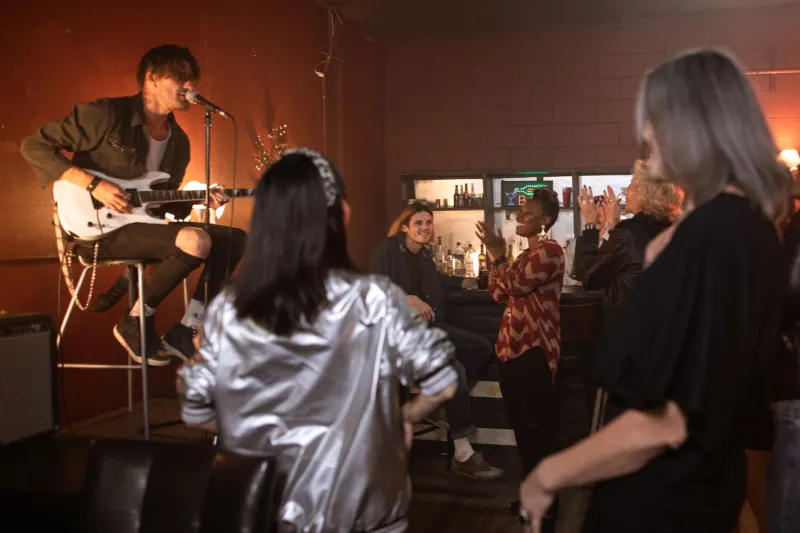
Somewhere in East Austin right now, a musician is negotiating with a warehouse owner over a weekend rental. In Brooklyn, an artist is walking a rooftop space with a sound engineer, mentally mapping where the speakers will go. In Los Angeles, a band is converting a botanical garden into a 300-person listening experience that will sell out in under six hours without a single dollar going to a major venue corporation.
This is the DIY venue takeover movement, and it's quietly becoming one of the most exciting things happening in American live music.
Why the Traditional Venue Model Is Losing Ground
The conventional live music pipeline has always involved a lot of hands in the pot. You've got the venue taking a cut, the ticketing platform layering on fees, the booking agent, the promoter — and by the time an emerging artist actually sees money, the math rarely makes sense. For artists without the draw to fill 500-seat clubs, the economics of traditional gigging can feel almost punitive.
But there's something beyond the financial calculus here. The standard venue format — stage at one end, bar at the other, crowd somewhere in between — isn't just economically limiting. It's experientially limiting. It tells audiences how to stand, where to look, and what kind of attention to pay. For artists trying to build a world around their music rather than just perform songs in a room, that template can feel like a straitjacket.
The artists opting out of that system aren't just cutting out the middleman. They're redesigning the entire experience from scratch.
Real Artists, Real Spaces, Real Moments
Take the case of Chicago-based producer and vocalist Mara Soleil, who in the spring of 2023 rented a decommissioned printing factory in Pilsen for a single-night event she called "Frequencies." No opening acts, no merch table, no standard set structure. Instead, attendees moved through different rooms, each with its own sonic environment — ambient in one, percussive in another, full-band in a third. Tickets were $25, capped at 200 people, and sold out within hours through her newsletter alone.
"I wanted people to feel like they were inside the album," she said in a post-event reflection she shared with her community. "A regular venue doesn't let you do that. The space you choose is the art."
Or consider the cluster of indie folk artists in Portland who've been collectively using a working greenhouse for monthly shows since 2022. The ambient sound of irrigation systems and the smell of actual earth have become part of the aesthetic. People show up as much for the environment as for any individual artist. It's become a scene unto itself — one that exists entirely outside the traditional booking ecosystem.
These aren't outliers. They're the leading edge of something much larger.
The Practical Blueprint: How Artists Are Actually Pulling This Off
If you're an emerging artist eyeing this model, the learning curve is real but manageable. Here's what the artists who've done it successfully tend to have in common:
Start with your community, not a venue. The artists making this work typically already have a direct line to their audience — an email list, a tight Discord server, an Instagram following that actually engages. The unconventional venue model depends on trust. People will show up to a warehouse if they trust the person who invited them. Build that relationship first.
Think creatively about space rental. Industrial spaces, community gardens, art galleries between exhibitions, rooftops of buildings owned by supporters — these are all fair game. Many property owners are surprisingly open to short-term event rentals, especially if you can demonstrate professionalism and carry event insurance (which typically runs $100–$300 for a single event).
Sound is non-negotiable. The romantic vision of a warehouse show dies fast if the acoustics are terrible. Budget for a sound engineer who has experience with non-traditional spaces. Many freelance engineers actively prefer this kind of work and will collaborate with you on the logistics.
Keep ticketing direct. Platforms like Eventbrite take a cut, but it's significantly smaller than what traditional venue ticketing structures extract. Some artists use direct payment via their own websites or even Venmo/Cash App for hyper-intimate events. The key is keeping the transaction between you and your audience as direct as possible.
Build the experience around the space. The mistake most first-timers make is trying to recreate a traditional show in a non-traditional space. The artists who do this best let the space dictate the experience. A rooftop at sunset suggests something different than a candlelit basement. Work with what you have.
The Ripple Effect on What Live Music Can Be
Beyond the practical logistics, something more philosophical is happening here. These DIY takeovers are quietly challenging the assumption that a "real" concert requires a certain kind of infrastructure — a stage, a green room, a sound system owned by someone else.
They're also changing audience expectations in interesting ways. People who've been to a great warehouse show or a rooftop event often find traditional venue experiences slightly deflating afterward. Not because the music is better or worse, but because they've experienced what it feels like when the environment is part of the art rather than just a container for it.
That's a standard shift that benefits everyone in the long run — audiences who expect more, artists who are incentivized to deliver more, and a live music ecosystem that becomes genuinely richer and more varied.
The Bigger Picture
The music industry has always had its underground currents — scenes and movements that developed outside the mainstream before eventually reshaping it. Punk in basements. Hip-hop in parks. Electronic music in warehouses. The DIY venue takeover movement feels like a continuation of that lineage, updated for an era when artists have direct access to their audiences and the tools to produce professional-quality experiences without institutional backing.
The industry middle man isn't disappearing. But the artists who are learning to build without him are creating something that feels a lot like the future — one intimate, intentional, unforgettable show at a time.