Wrapped in Lies: What Your Spotify Data Says About the Person You're Pretending to Be
Every November, the internet collectively holds its breath. Spotify Wrapped is coming, and with it, a moment of reckoning most of us didn't sign up for. You've spent twelve months carefully constructing a musical identity — recommending the right artists in group chats, posting the right concerts on Instagram, casually dropping the right album titles into conversation. Then Wrapped arrives and blows the whole thing wide open.
Your top song? That one track you swore you only listened to "ironically" — 312 plays deep.
Welcome to the paradox of the perfect playlist.
The Curated Self vs. The Actual Self
There's a version of you that exists in public-facing music spaces. It shows up in the playlists you share, the artists you follow on socials, and the records you mention when someone asks what you're into. This version of you has taste. This version listens to emerging indie artists, knows about the right jazz records, maybe dabbles in ambient electronic when the mood is right.
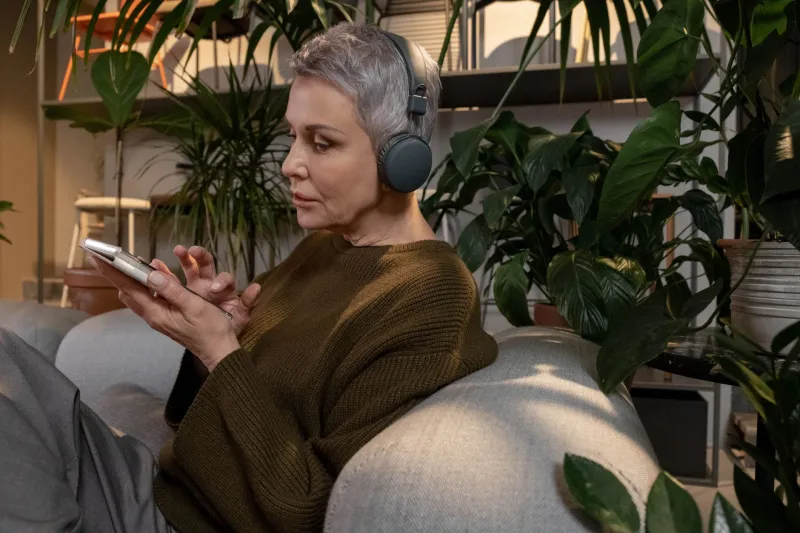
Then there's the other version — the one streaming algorithms see at 1 a.m. when you've got your earbuds in and nobody's watching. That version is on its fifth consecutive loop of a mid-2000s pop anthem that you'd genuinely struggle to defend in polite company.
Streaming data doesn't care about your persona. It just counts the plays.
Psychologists call the tension here self-discrepancy theory — the gap between your ideal self and your actual self. Music has always been a mirror for identity, but the difference now is that streaming platforms are holding that mirror up with receipts. Your most-played songs aren't just preferences; they're behavioral data. And behavioral data doesn't lie the way a carefully worded bio does.
Why Guilty Pleasure Listening Is Getting Louder
Here's what makes this era especially strange: music has never been more abundant, more accessible, or more socially loaded. In the physical media days, your record collection was semi-private. You could stash the embarrassing stuff in the back. Now, everything lives on the same platform, and the algorithm is watching every single choice.
Yet despite — or maybe because of — that surveillance, guilty pleasure listening is thriving. Streams for nostalgia-heavy pop, early-2000s R&B throwbacks, and "so bad it's good" pop country have surged consistently over the past few years. People aren't just tolerating their guilty pleasure tracks; they're returning to them obsessively.
Part of this is emotional regulation. Research consistently shows that people reach for familiar music during stress, anxiety, or exhaustion. You're not choosing that song because it represents who you are — you're choosing it because it works. It drops your cortisol, floods you with nostalgia, and gives your brain exactly the dopamine hit it needs in the moment. Authenticity doesn't enter the equation when you're running on three hours of sleep.
But streaming culture has made this functional listening feel like a dirty secret, because now it's quantifiable. Your "vibe" can be audited.
The Algorithm Made You Do It (Sort Of)
It's worth acknowledging that you're not entirely the author of your own listening habits anymore. Autoplay, curated radio stations, and recommendation engines are designed to keep you in the app — and they're very good at it. The song that starts playing after your intentional choice often isn't something you'd consciously select. But if it catches you in the right mood, you let it run. Then it runs again. And again.
Before long, that track is in your top five without you ever having made a deliberate decision about it.
This is the quiet manipulation at the center of streaming culture: the line between what you chose to listen to and what the algorithm nudged you toward is blurrier than Wrapped would ever admit. Your data reflects your habits, yes — but your habits have been shaped by systems optimized for engagement, not self-expression.
So when Wrapped reveals your "true" musical self, it's actually revealing a hybrid: part genuine preference, part algorithmic suggestion, part emotional reflex, part background noise you forgot to skip.
What the Gap Actually Tells Us
The discomfort people feel when their Wrapped results don't match their self-image isn't really about music. It's about the broader anxiety of being known — especially being known in ways that complicate the story you've been telling.
Music has always functioned as identity shorthand in American culture. The artists you claim shape how people read you before you've said a single word. That's why the gap between curated taste and actual listening behavior feels so loaded. It's not just "oh, I like a pop song" — it's "oh, the identity I've been performing has a crack in it."
But here's the reframe worth sitting with: maybe the crack is the most honest thing about you.
The music you return to when nobody's watching — when you're exhausted, emotional, or just running on autopilot — might actually be closer to your real self than any carefully constructed playlist ever gets. Authenticity, it turns out, doesn't always look polished. Sometimes it sounds like a song you'd never admit to loving out loud.
Making Peace With Your Data
At Paradisia, we believe your music world should feel like yours — not a performance, not a brand, not a highlight reel. And that means making space for the full picture.
Your Wrapped results aren't an indictment. They're just data — messy, contradictory, human data. The indie deep cuts you discovered at midnight and the pop anthem you can't quit both belong to you. The experimental electronic phase and the embarrassing throwback binge coexist in the same listening history because you contain multitudes.
The paradox of the perfect playlist is that perfection was never the point. The most interesting music lives in the tension between who you're trying to be and who you actually are when the lights go down and the earbuds go in.
Your most-played song might be a stranger to your curated identity. But it knows you pretty well.
And maybe that's exactly why you keep hitting play.