Crowd Noise as a Feature, Not a Bug: How the Live Album Crawled Out of Its Grave
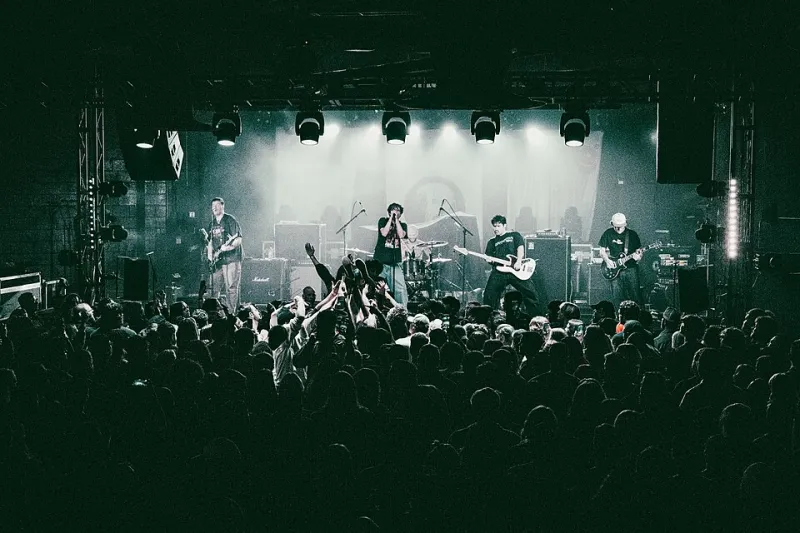
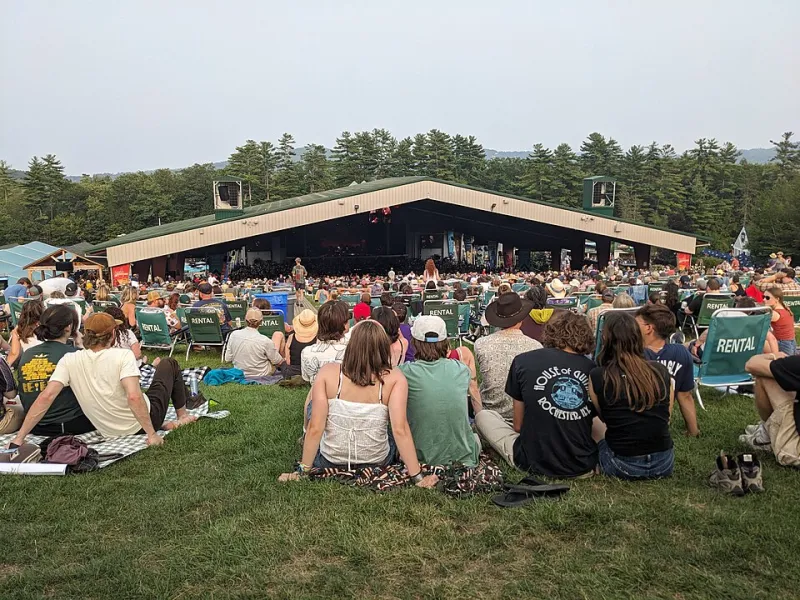
Photo: Tyler Savitski, CC BY-SA 4.0, via Wikimedia Commons
There was a time when the live album was a rite of passage. Frampton comes alive. Kiss screams alive. Every great rock band of a certain vintage eventually dropped the double-LP recorded somewhere between Detroit and Tokyo, complete with a drum solo and a crowd that sounded like a stadium full of jet engines.
Then streaming arrived, and the obituaries wrote themselves. Why would anyone listen to a rougher, breathier version of a song they could hear in pristine studio quality? The live album was a relic, a souvenir for people who bought CDs at merch tables.
Somebody forgot to tell the artists.
The Turn We Didn't See Coming
Scroll through any major release calendar and you'll spot it: live versions, session recordings, festival sets pressed into official albums, deluxe editions padded with tour recordings. Major artists are treating live documents not as cash-grab stopgaps between studio records but as core artistic statements. Some of the most-streamed releases of recent years have been concert recordings — raw, imperfect, and packed with the sound of thousands of people losing their minds in unison.
What happened? Streaming killed the live album, then quietly resurrected it with new purpose.
Liveness as Receipts
Here's the theory of the case: in an era when anyone can sound perfect, sounding real is the flex.
Studio production has reached a point of near-total perfection. Pitch correction, comping, quantized drums — the modern pop record is a flawless object. But flawlessness carries a suspicion with it now. Can they actually do this in a room full of people?
The live album is the answer to that question, delivered in real time. When an artist releases a concert recording, they're submitting evidence. Here's the voice with no safety net. Here's the band locking in. Here's the moment the singer lets the crowd take the chorus because the crowd's going to sing it louder anyway.
That last part is the key. The crowd noise isn't a defect. It's the point.
The Version Wars
Spend any time in music communities online and you'll run into a peculiar kind of debate: which version of the song is the "real" one. The studio cut or the live one from that night in Chicago when the arrangement changed and the crowd went nuclear?
For a certain kind of listener — and let's be real, that's most of us reading this — the live version is the identity marker. Preferring the stripped-down acoustic take from the radio session says something about you. Claiming the festival recording with the extended outro is the definitive version is a whole personality. These aren't just alternate takes; they're membership badges.
Streaming made every version of every song permanently available, and fans responded by building hierarchies around them. The live album stopped being a souvenir and became a canon.
Intimacy at Scale
Not every live release is a stadium document, and that's where things get interesting. Alongside the massive festival recordings, there's been a boom in small-format liveness: one-take session videos turned into audio releases, tiny-audience performances, living-room sets with audible chair creaks.
This tracks with a broader shift in how audiences define authenticity. The bigger the production, the more fans crave the counterweight — proof that the songs work with nothing around them. A great live record, whether it's captured in front of 80,000 people or 12, makes the same argument: these songs are real, and so is the person singing them.
Why the Imperfections Are the Whole Sale
Listen closely to the live records that people love and you'll notice what's in them that the studio versions would never allow: the count-offs, the breath before the big note, the laugh when someone in the crowd yells something unhinged, the false start that becomes part of the performance.
A studio record is a place. A live record is a moment — and moments can't be recreated, only witnessed. That's what fans are buying when they stream a concert album for the hundredth time. Not the song. The night. The sense that they were part of something that existed once and will never exist again in exactly that shape.
The Verdict
The live album didn't die. It got a job description change. It used to be a greatest-hits package with applause; now it's a trust document between artist and audience.
So queue up a live record this week — a big one, a small one, whatever your scene is producing. Listen for the imperfections. Listen for the crowd. That noise you hear in the background is thousands of people agreeing on something at the exact same time.
In 2025, that might be the rarest sound in music.