Half an Hour, All Killer: The Case for the Album That Knows When to Stop
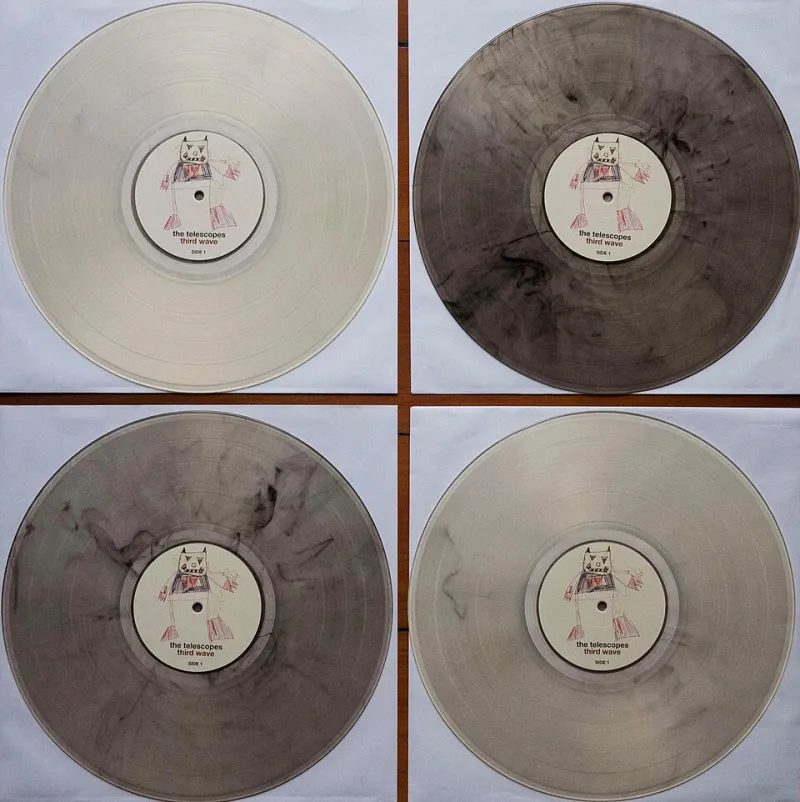
Photo: NEXUS6N6MAA10816, CC BY-SA 4.0, via Wikimedia Commons
Somewhere along the way, we all agreed that more songs meant more respect. A nineteen-track album felt generous. A sixty-eight-minute runtime felt serious. And a record that wrapped in half an hour felt, somehow, like it was not trying hard enough.
That math is breaking down. In 2026, some of the most talked-about releases of the year are landing between twenty-six and thirty-four minutes. No interludes. No two-minute mood pieces padding out the middle. No bonus track tacked on for the deluxe edition that arrives eight weeks later. Just eight or nine songs that all had to earn their spot, and then it is over.
It is the best thing to happen to the format in years.
The Bloat Years
Let us be honest about how we got here. The streaming era rewarded volume. More tracks meant more chances to land on a playlist, more surface area for the algorithm to grab, more individual song streams to count. Artists who had a great eleven-song album were nudged, gently and then not so gently, to turn it into a seventeen-song one.
Some of those records hold up. Most of them do not. What we got was a decade of albums that functioned like a browser with forty tabs open — technically impressive, quietly exhausting, and impossible to sit with. You never finished anything because there was always another track, and the skip button became the default way to experience a body of work somebody spent two years making.
Twenty-Eight Minutes, Zero Filler
What is happening now is a correction, and it is coming from artists who grew up in that mess. They know what a bloated record feels like from the inside. They know that a fan who plays an album front to back is worth more, culturally, than a fan who shuffles five tracks into a workout mix and forgets the rest.
So they are cutting. Hard. The best short records of the moment share a few traits: the sequencing is airtight, there are no obvious skips, and the closing track actually closes something. Thirty minutes is not a limitation — it is editing. It is the difference between a setlist and a rant.
And here is the part that surprises people: short albums feel bigger. Because there is nothing to hide behind, every song has to carry weight. A record that never overstays is one you immediately want to play again. That replay is worth more than four filler tracks nobody ever streams twice.
Brevity Is a Business Decision Too
Let us talk money, because that is part of the story nobody puts in the press release. A thirty-minute album fits on one vinyl record. That matters in 2026, when pressing plants are still backed up and a double LP means twice the manufacturing cost, twice the shipping weight, and a retail price that scares off casual buyers.
One record. One sleeve. Better margins. Faster turnaround. A tour setlist that does not have to apologize for the deep cuts. Artists have quietly figured out that a tight record is not just an artistic choice — it is a smart product, and smart products ship on time.
The streaming math works too. Completion matters. Saves matter. A record fans finish and immediately restart does more for an artist than one they abandon at track nine.
But I Wanted More
The obvious pushback: aren't I being shortchanged? Shouldn't an album be an experience?
Sure. And the double album is not dead. Some stories need eighty minutes. Some artists genuinely have twenty songs in them and cutting to nine would be a lie. Nobody is arguing that every record should be a punk EP.
The argument is narrower than that. A record should be as long as it needs to be and one second longer than that. Most of the time, the honest answer is under thirty-five minutes. If you want more, you can always press play again. That is not a limitation of the format — that is the format working exactly as designed.
The Sitting Is the Point
Here is what a short album really gives you back: the sitting. One record, start to finish, in one go, with nothing left over and nothing to skip. No doom-scrolling through track twelve. No deciding whether to bail at the sixty-minute mark. Just a beginning, a middle, and an end, delivered in the time it takes to cook dinner.
We did not lose our attention spans because we got lazy. We lost them because everything got infinite. An artist who hands you thirty focused minutes is doing you a favor — they are giving you the one thing streaming cannot manufacture.
So the next time a record clocks in at twenty-eight minutes and change, do not check the runtime and feel cheated. Check the runtime and feel relieved. Somebody out there trusted their songs enough to stop.